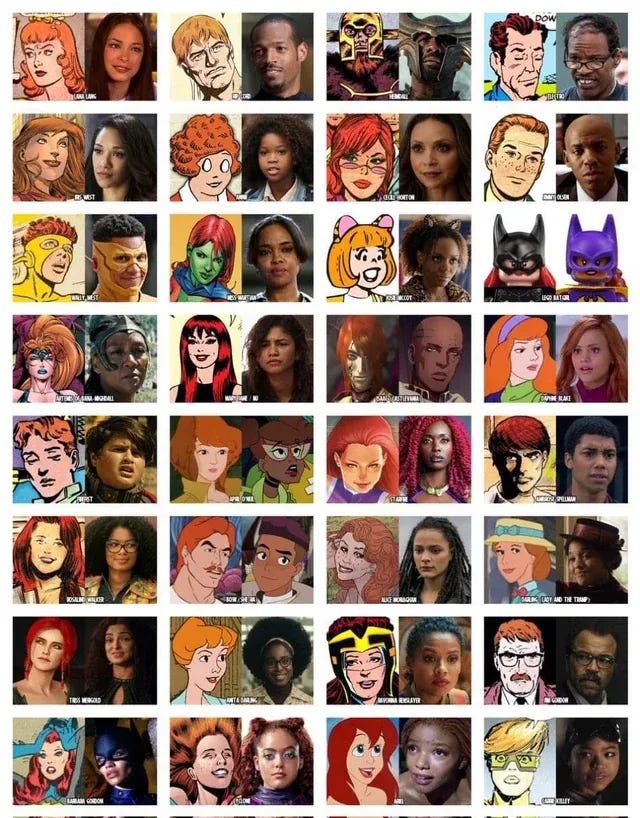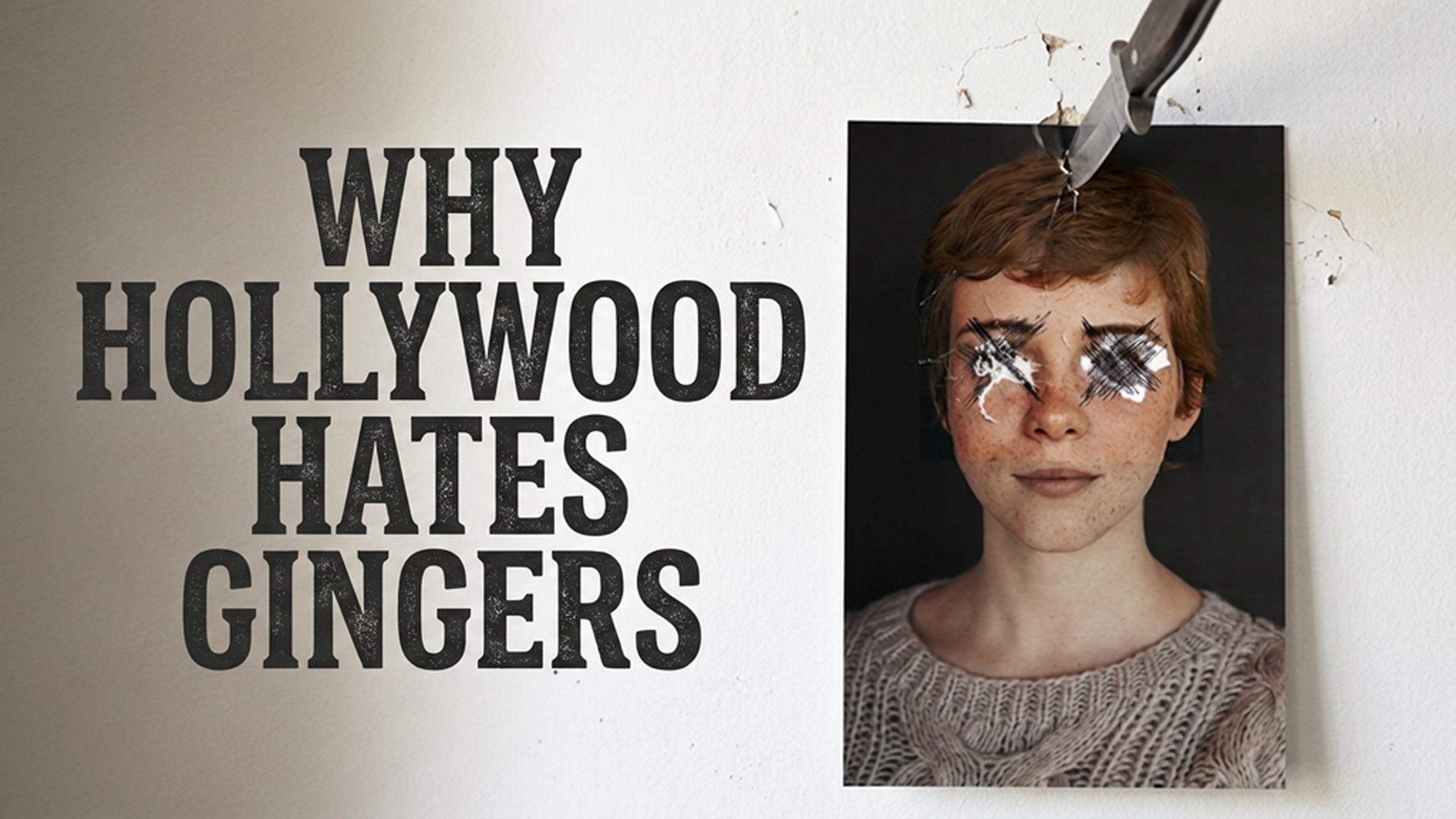
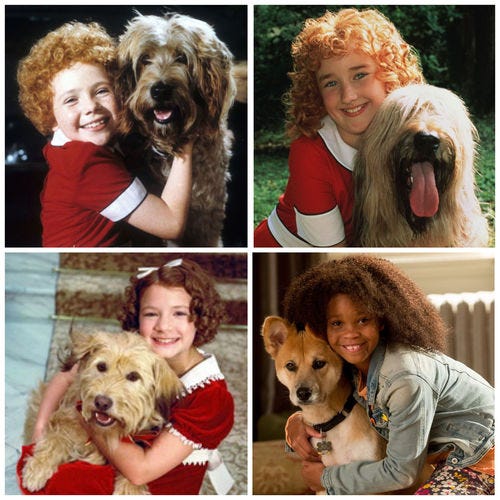
After years of accusations that the industry was pushing a “woke agenda,” Hollywood executives came clean, admitting the real motivation behind casting decisions was far simpler.
“Annie became a spunky Black girl to correct a grave injustice,” said Columbia Pictures casting director Lisa Cho, dry-heaving as she drove past a Wendy’s. “It wasn’t about race. It was about keeping those sun-poisoned circus children off the big screen.”
According to insiders, production companies have spent years quietly referring to what they call “The Ginger Problem.”
One Disney memo warned of the industry’s eventual collapse, baselessly blaming declining box-office revenue on audience exposure to “Irish jump scares.” The report further recommended that the MPAA classify all on-screen ginger representation as R-rated, citing the risk that children might “mistake their inferior ginger genes as a viable human aesthetic.”
The memo further reinterpreted cinema history through what executives call “The Follicles of the MGM Lion,” a fringe theory claiming that passing gingers infiltrated the early Technicolor process and secretly engineered color standards to favor pale skin and bright reds.
“They want you to think early Hollywood had a racism problem,” said veteran producer Martin Gold. “But follow the red hair. The same lighting standards that elevated ginger left Black performers underlit for decades. Hollywood was built on ginger supremacy.”
The purge has reportedly been systematic. Mary Jane Watson, Starfire, Jimmy Olsen, Batgirl, Ariel and April O’Neil. One by one, iconic red-haired characters have been recast as anything but ginger.
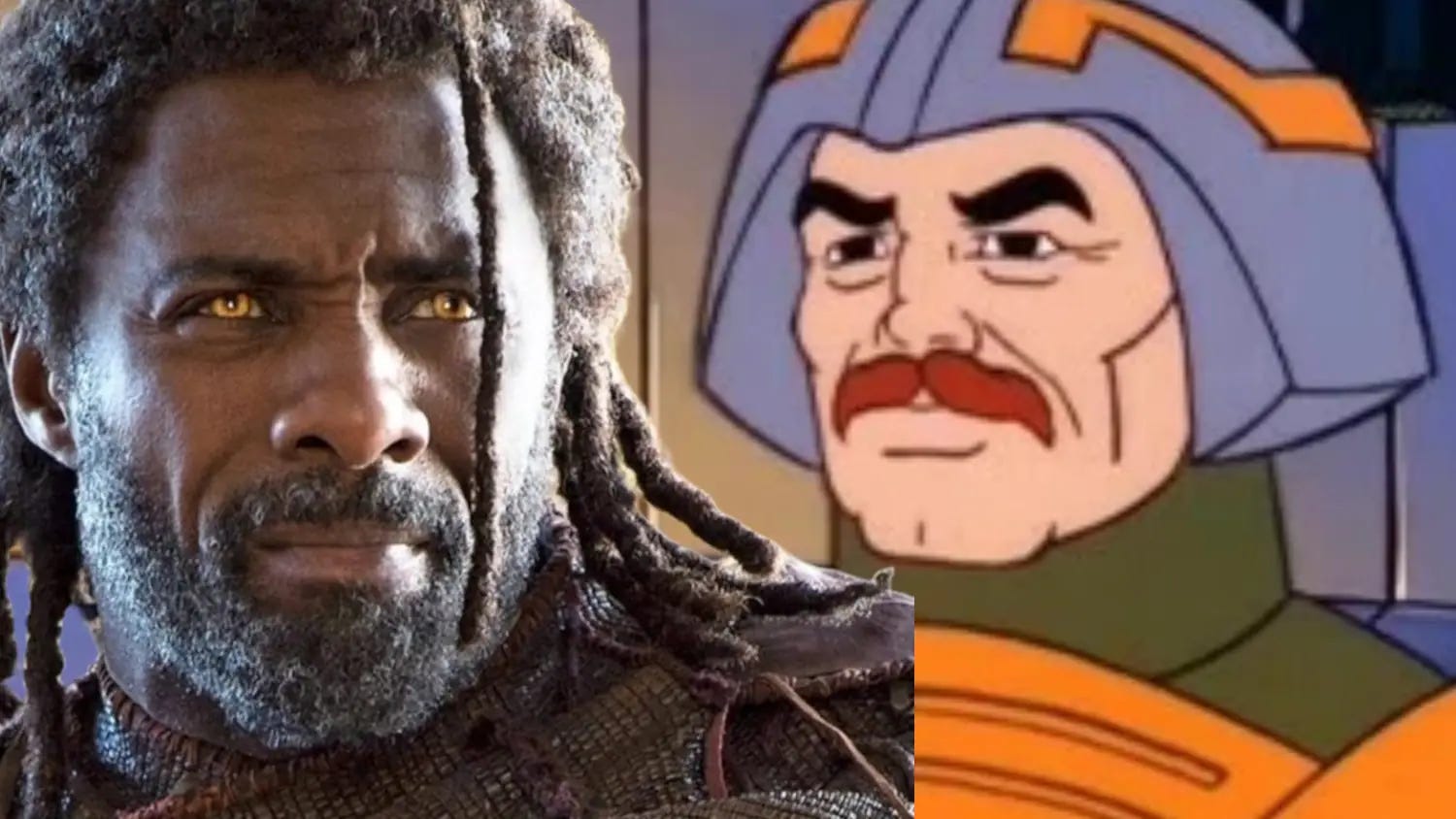
“I didn’t even look at the script,” said Idris, regarding his portrayal of Man-at-Arms in the live-action He-Man, “They just showed me that ginger cunt’s bloody mustache and I signed on.”
“Every single redheaded character is a ticking time bomb,” said a Disney insider. “If you don’t replace them, you risk some daywalker getting famous, then they’ll star in other roles and create more ginger characters. We learned from our mistakes with Molly Ringwald; we won’t repeat them again.”
He then tented his fingers and turned in his chair to resume glaring at a headshot of Sophia Lillis.

“We have nothing against gingers as people,” said Bob Iger, head of Disney. “Just gingers as people on screen. Also, the concept that gingers are people.”
“We’re being systematically removed from popular media,” said Brian O’Malley of the Red-Headed Heritage Council. “First, they came for Ariel, and I did not speak out, because I was not a mermaid. Then they came from Mary Jane, and I did not speak out, because everyone loves Zendaya. Then they—”
Unfortunately, O’Malley was forced to cut the interview short after suffering third-degree sunburns while walking between buildings. He remains in the burn ward under a medically induced coma.
At press time, DreamWorks proudly announced that the Gingerbread Man in the upcoming Shrek sequel would be portrayed by a Puerto Rican sugar cookie named Manny Mantecadito after early test screenings reportedly left several executives visibly distressed upon simply hearing the word “ginger.”